

There’s a special kind of calm that comes when two people slow down together, breathe in the same rhythm, and let touch become a language of care. This guide walks you through body-to-body contact used in couples’ massage—focused on relaxation, connection, and safety—while also pointing you toward Manhattan spots where that evening of calm can begin or end. Read on for clear steps, atmosphere tips, and etiquette that keep things warm, respectful, and restorative.
This isn’t a how-to for something explicit. It’s an accessible, grounded manual for partners who want to use touch to reduce tension, deepen connection, and share a mindful, sensual experience without crossing boundaries. You’ll get techniques, a sample 45-minute routine, product suggestions, and guidance on finding reputable places in New York that cater to mature, consenting adults.
What “body-to-body” means in a wellness context
“Body-to-body” can sound dramatic, but in practice it’s simply a way to describe prolonged, skin-contact techniques used in partner or couples massage. Rather than isolated strokes with fingertips, body-to-body approaches use larger surfaces—the forearms, the torso, the legs—to apply even pressure, warmth, and movement. The emphasis is on comfort, rhythm, and shared presence.
When done with clear consent and boundaries, these techniques reduce muscle tension, quiet the nervous system, and create a sense of closeness. The goal is bodily ease and mutual attunement, not provocation. Think slow, steady, and intentional rather than hurried or forceful.
Core principles: consent, safety, and clear communication
A good session starts and ends with talk. Before any touch, agree on boundaries: what’s on-limits, pressure preferences, areas to avoid, and a safe word or signal. Check in mid-session. Consent is ongoing; it can be revised at any moment.
Safety means practical hygiene (clean linens, trimmed nails), avoiding techniques that cause sharp pain, and being mindful of medical considerations—recent injuries, pregnancy, blood pressure, or medication that affects circulation. When in doubt, recommend a trained professional or consult a healthcare provider.
Communicating likes and limits
Use simple prompts: “More pressure?” “Too warm?” “Keep that rhythm?” Short, direct feedback keeps the flow. Partners often overexplain; instead, build a few one-word signals—“gentle,” “firmer,” “pause”—so touch stays unbroken by long conversations.
Respect nonverbal signals, too. If someone tenses or withdraws, pause and ask. The aim is comfortable closeness, not pushing to a response.
Techniques that favor comfort and connection
Below are practical, non-explicit techniques you can use. Learn them slowly; practice on areas away from core intimacy zones first—the back, shoulders, legs, and scalp are excellent places to start.
Keep movements deliberate. Use broad, gliding strokes that follow the body’s contours. Alternate hands, change pressure in predictable ways, and maintain steady breathing together to build a calming rhythm.
- Warm-up stroking: Long, even strokes along the back and thighs to spread oil and set a slow tempo.
- Forearm glides: Use the forearm for broad pressure—especially useful for the back—to cover more surface without tiring the hands.
- Feathering and feathered edges: Light, fingertip brushing around the shoulders and neck to shift from firm work to relaxation.
- Cross-fiber smoothing: Short, perpendicular strokes over muscle groups (not joints) to ease stiffness.
- Scalp and temple calm: Gentle circular pressure and slow pull-throughs on the scalp to release tension and invite rest.
Tools, ambiance, and practical preparations
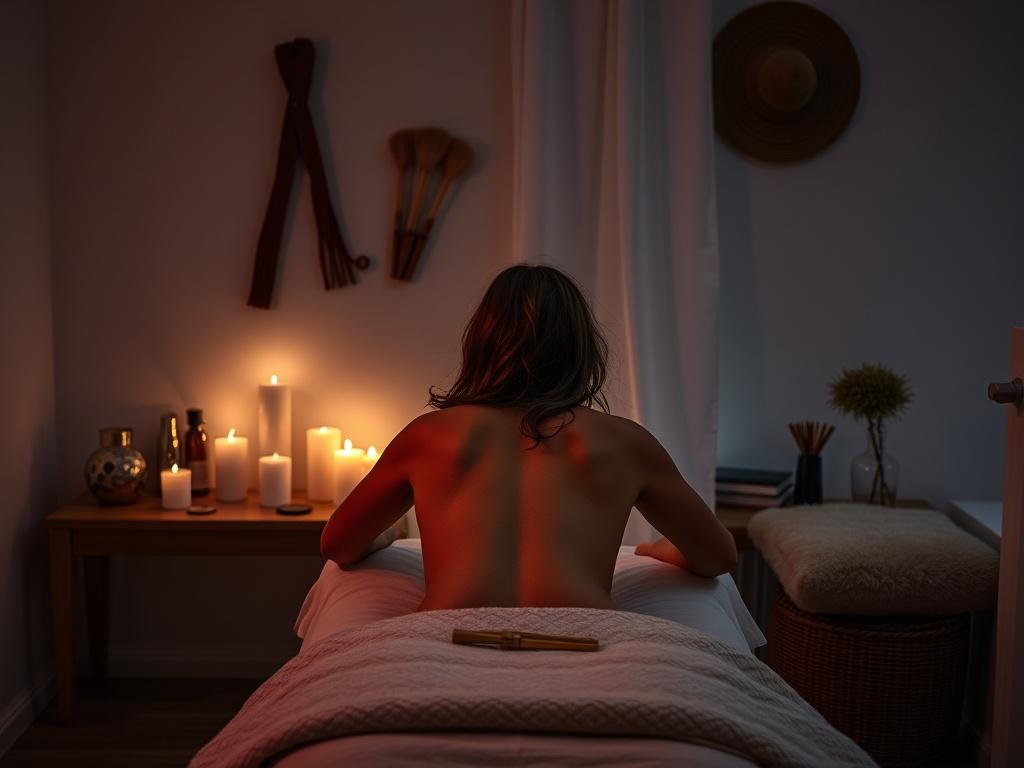
The environment matters. A dim, warm room, soft music, and a steady temperature make the body more receptive. Clean sheets, a supportive surface (massage table or firm bed), and a small towel to cover areas not being worked on all contribute to a respectful experience.
Choose a neutral, skin-friendly oil—grapeseed, sweet almond, or a light fractionated coconut oil—unless there are allergies. Avoid heavily fragranced products if either person has sensitivities. Use a bowl warmer or pour a little oil into your palms and rub to create a pleasant temperature.
| Product | Properties | Best for |
|---|---|---|
| Grapeseed oil | Light, non-greasy, hypoallergenic | All-over massage where glide is needed |
| Sweet almond oil | Silky feel, slightly more emollient | Dry skin and longer sessions |
| Fractionated coconut oil | Stable, odorless, non-clumping | Sensitive skin and beginners |
| Unscented lotion | Less slip, more control | Shorter sessions or targeted work |
A sample 45-minute couples massage sequence
This timeline is a template. Adjust timing, pressure, and areas to suit comfort and preferences.
Start with a short check-in—two minutes—to confirm breathing pace and areas to avoid. Agree on a signal to stop or slow down.
- 0–5 minutes: Set the scene. Both partners breathe together, hands resting on each other to sync tempo. Apply warm oil to palms.
- 5–15 minutes: Back work. One partner uses long gliding strokes and forearm sweeps; the other focuses on the lower and upper back, avoiding the spine with broad pressure.
- 15–25 minutes: Shoulders and neck. Use gentle kneading at the shoulders and feathering along the neck base. Keep it relaxed; avoid pressing on the front of the neck.
- 25–35 minutes: Legs and calves. Use both hands in long strokes from ankle to thigh, then light compressions to stimulate circulation.
- 35–40 minutes: Scalp and face. Soft circular motions on the scalp, gentle touch on temples and jaw—nothing intrusive.
- 40–45 minutes: Closing and stillness. Slow down strokes, finish with both partners lying quietly for a few breaths, then return to sitting and share immediate feedback.
Finding reputable spots in Manhattan and planning a night out
Manhattan has a wide range of spas offering couples’ treatments—from boutique studios in Greenwich Village to luxury hotels in Midtown. Look for licensed therapists, clear service menus, and online reviews that emphasize professionalism and cleanliness. Avoid places that advertise anything vague or suggestive; trustworthy establishments state their scope clearly.
Pairing a massage with Manhattan’s nightlife can make for a complete evening: an early rooftop cocktail, a leisurely dinner, then a pre- or post-show spa session. Neighborhoods to explore: Chelsea for contemporary spa studios, the West Village for intimate boutique options, and Midtown for hotel-based treatments that are convenient for theatre nights.
Tips for booking
Reserve a couples room if you want to share a space. Ask about therapists’ training, cancellation policies, and whether they’ll adapt pressure for medical conditions. For late-night plans, pick a place with flexible hours or book a later dinner so you’re not rushed.
If you prefer a private, in-home experience, many licensed therapists offer concierge services—make sure they have verifiable credentials and insurance, and confirm their exact service scope before booking.
Etiquette, follow-up, and maintaining trust
Aftercare matters. Offer water, keep the room warm, and avoid sudden showering that could be uncomfortable. Give space for a quiet transition; a short conversation about what felt good and what to change next time builds trust and improves future sessions.
Keep records of preferences—pressure, temperature, areas enjoyed—so each session becomes more tailored. Respect privacy and never share details about intimacy outside the relationship unless both partners agree.
Image suggestions and visual tone
When selecting visuals for an article or social post, aim for elegance and warmth. Good photo themes: a softly lit treatment room, a masseuse’s hands on a back covered by a sheet, a couple sharing a quiet moment, and Manhattan skylines at dusk—rooftop lights and river reflections convey the city’s late-night pulse without sensationalizing intimacy.
Use licensed stock images from reputable libraries to ensure model releases and professional standards. Descriptive captions help set expectations: “Couples’ relaxation session—licensed therapists, mutual consent” is clear and appropriate.
Hashtags for social sharing
0
#CouplesWellness #MindfulTouch #NYCSpas #ManhattanNights #RelaxationRitual #PartnerMassage #WellnessDateNight #UrbanCalm #MassageTips #ConsentFirst
Format captions around safety, relaxation, and city life—brief sentences that invite readers: “Slow down together. Book a couples treatment in Manhattan and make the night about calm, not the clock.”
Conclusion
Body-to-body approaches, when practiced responsibly, offer a simple way to reconnect: they calm the nervous system, relieve tension, and create a shared ritual of care. Keep communication and consent front and center, choose a comfortable setting, and focus on steady, respectful techniques. Whether you recreate this at home or visit a reputable Manhattan spa, the point is the same—touch that soothes, never pressures. That’s how a massage becomes an evening worth remembering.